If you’re living in a regional area of Australia, you might have struggled with slow or unreliable internet. Fortunately, Fixed Wireless NBN is here to bridge that gap and support your remote work and educational needs. In this article, we’ll dive deep into how Fixed Wireless NBN works and why it’s a great option for people living in rural and remote areas.
What is Fixed Wireless NBN?
Fixed Wireless NBN is a technology that uses radio signals to provide internet services to rural and remote areas. Unlike traditional fixed-line internet services, which rely on physical cables, Fixed Wireless NBN uses transmission towers and outdoor antennas to deliver high-speed internet.
How Does Fixed Wireless NBN Work?
The technology behind Fixed Wireless NBN is quite fascinating and perfect for regions where installing cables isn’t possible. Here’s how the Fixed Wireless NBN setup works:
Transmission Towers
The NBN Fixed Wireless network comprises transmission towers linked via microwave links. These towers connect to an exchange through fibre connections, ensuring fast data transfer.
Outdoor Antenna
An NBN-approved technician installs an outdoor antenna at your home. This antenna picks up the radio signals from the nearest transmission tower.
Connection Box
The received signal travels via a cable to an NBN connection box inside your house. This box connects to your router using an Ethernet cable.
Router and Devices
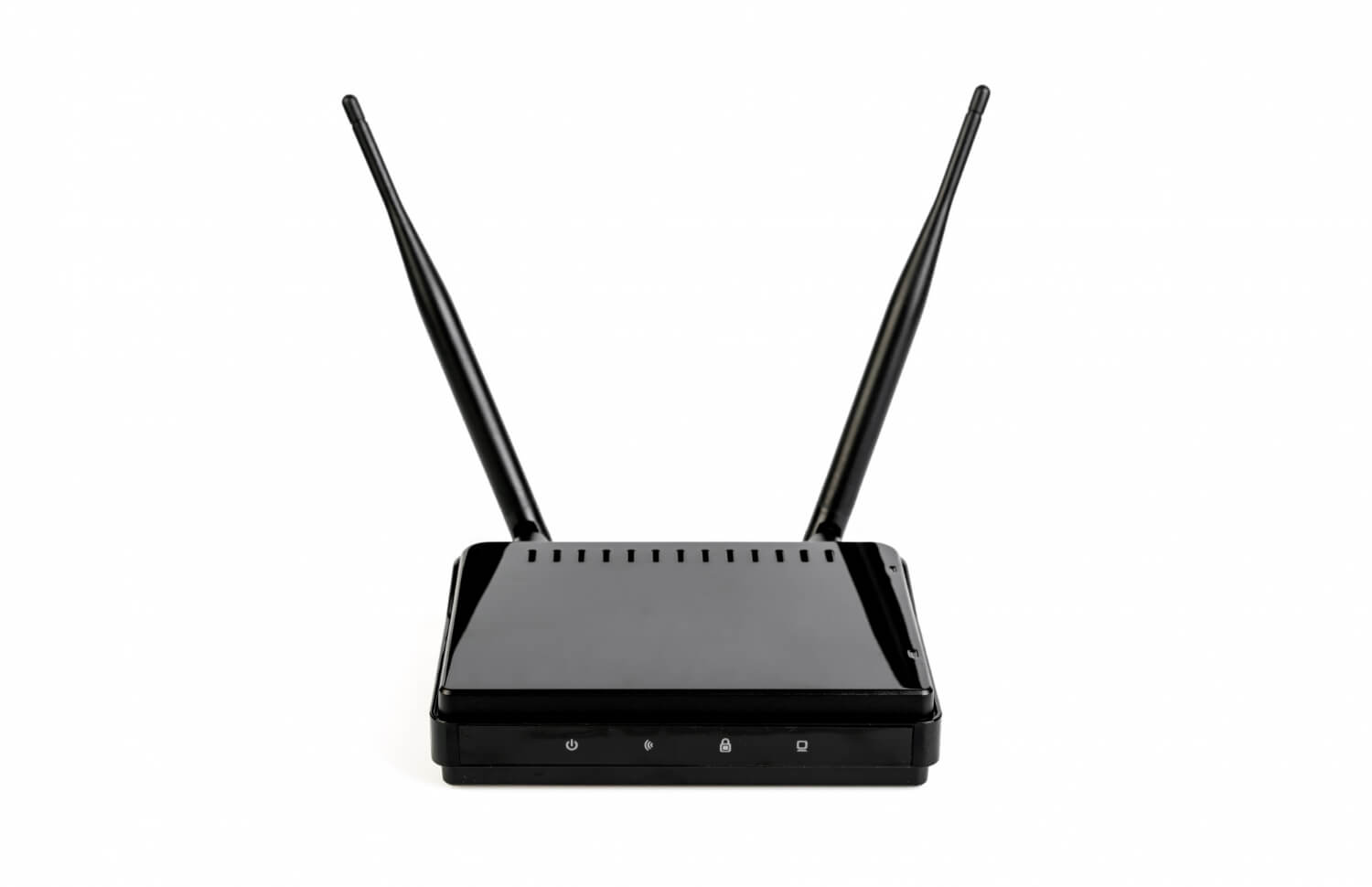
The router then distributes the internet signal to your various devices, ensuring a stable internet connection for all your online tasks.
Installation Process and Requirements
The NBN Fixed Wireless installation process is straightforward but does require a few steps:
Order and Scheduling
First, you’ll need to place an order with your internet service provider. They’ll arrange for an NBN-approved technician to come to your premises.
Standard Installation
Most NBN Fixed Wireless installations are completed within 28 days. The technician mounts the outdoor antenna on your roof and installs the connection box inside, usually taking about two to four hours.
Non-Standard Installation
If your installation is more complex, it might take longer and involve additional fees. This is often the case if there’s no clear line of sight to the nearest transmission tower.
Benefits of Fixed Wireless NBN
Fixed Wireless NBN has a range of benefits, especially for those in rural and remote areas:
Reliable Rural and Remote Coverage
A Fixed Wireless network makes internet access possible in areas where laying cables isn’t feasible.
Cost-Effective Solution
It eliminates the need for extensive cable laying, making it a more affordable option.
Multiple Connections
Each transmission tower can support multiple homes, making it an efficient way to serve scattered populations.
Enables Remote Work
A stable internet connection supports video calls, cloud access, and online collaboration tools for those working from home.
Supports Online Learning
Students can access digital classrooms, submit assignments, and attend live lessons without constant disruptions.
Reduces the Digital Divide
Fixed Wireless NBN brings rural users closer to the services and opportunities available in metro areas.
Flexible for Growing Needs
As work and education needs evolve, Fixed Wireless can scale to support more devices and higher usage.
Challenges and Limitations
While Fixed Wireless NBN is generally excellent, it does have a few drawbacks:
Signal Degradation
Weather conditions like rain, fog, and wind can affect the signal quality.
Physical Obstructions
Things like trees and buildings can interfere with a clear line of sight to the tower, impacting the connection.
Installation Complexity
Some installations may be more complex and incur additional costs.
Speed Variability
Speeds can sometimes vary due to network congestion or technical factors.
Troubleshooting and Maintenance
If you’re facing issues with your Fixed Wireless NBN, here are some troubleshooting tips:
Check Signal Strength
Make sure there’s a clear line of sight between the antenna and the transmission tower. Adjust the antenna if needed.
Verify Equipment
Ensure all your equipment—antenna, connection box—is properly installed and functioning.
Contact Service Provider
If you’re experiencing persistent issues, your provider can guide you through NBN Fixed Wireless support options or arrange for technical help if needed.
Upgrades and Future Developments
New developments are underway for Fixed Wireless NBN. A $750 million investment aims to enhance speed, reliability, and reduce congestion. This investment is part of a broader initiative to make faster internet speeds available to more Australians living in regional areas.
Conclusion
Fixed Wireless NBN is a game-changer for those in rural and remote areas, enabling essential internet services for remote work and education.
With RBE Internet, you can enjoy reliable connectivity tailored to your needs, backed by responsive NBN Fixed Wireless support to help you stay connected despite challenges like signal degradation. Ongoing investments and upgrades mean the future of Fixed Wireless NBN looks brighter than ever, making it a reliable option for your internet needs.