As we sail through the digital age, the way we connect to the internet at home is evolving rapidly. In recent years, 5G technology has emerged as a prominent buzzword, promising high-speed internet and unparalleled connectivity. But is it the right ‘internet plan for home’ for you? Let’s dive into the nitty-gritty of 5G home internet, particularly focusing on its rise in Australia, the pros and cons, and how it stacks up against more traditional broadband options like NBN or cable.
The Rise of 5G Home Internet in Australia
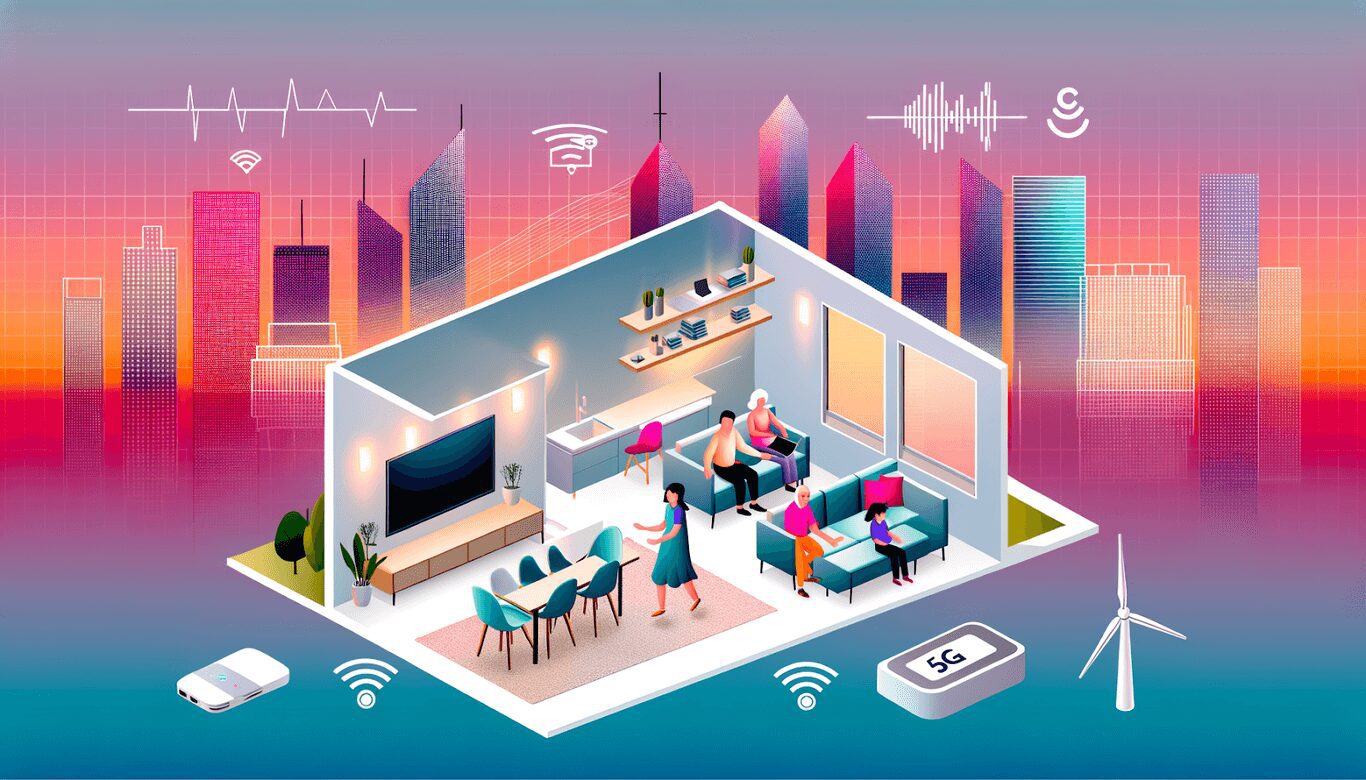
Australia has been quick to embrace technological advancements, and 5G is no exception. With major cities like Sydney, Melbourne, and Adelaide getting unprecedented speeds and lower latency, it’s no wonder there’s a buzz around 5G. But what exactly is 5G home internet? In essence, 5G home internet leverages fifth-generation wireless technology to deliver broadband access to homes, similar to how mobile data operates but much faster and often more reliable. For the urban dwellers down under, this could potentially mean a new era of connectivity.
Benefits of 5G Home Internet
One of the primary selling points of 5G home internet is its speed. Imagine downloading a full-length HD movie in mere seconds—that’s the kind of speed we’re talking about. For households with multiple devices streaming simultaneously, like yours or mine, this could be a game-changer. Here are some standout benefits:
- Blazing Speeds: Five to ten times faster than 4G which means less buffering and seamless streaming.
- Lower Latency: Perfect for gamers or those working from home requiring real-time data transfer.
- Wireless Setup: It removes the need for trenches and cables. No more drilling holes in your walls!
- Scalability: As more devices join your home network, 5G can handle it better than older technologies.
Drawbacks to Consider
While 5G home internet sounds nearly perfect, there are certain drawbacks that you should weigh before making any switch:
- Availability and Coverage: As fantastic as it sounds, 5G coverage isn’t yet universal in Australia. Rural areas might still experience patchy connectivity.
- Infrastructure: Initial setup and getting the right equipment might be pricier than you anticipate.
- Signal Obstructions: Physical obstructions like buildings or even trees can affect the signal quality.
5G vs Traditional Internet Plans: Making the Choice
Now the big question: Should you go for 5G home internet over traditional options like NBN (National Broadband Network) or cable? Let’s compare:
5G Home Internet
Speed and Reliability: Generally faster than NBN, especially in high-density urban areas.
Ease of Installation: Very straightforward, as it’s mostly wireless and requires minimal hardware.
Upgrade Path: When new 5G technologies are introduced, the upgrade process can be simpler.
Traditional NBN or Cable
Wider Availability: NBN is widely available across Australia, making it a reliable choice for those outside major cities.
Consistency: Generally provides stable connections in areas with poor mobile network coverage.
Pricing: Usually comes with a range of plans suitable for different budgets and household needs.
Is 5G Home Internet Right for Your Household?
Ultimately, whether 5G home internet is a fit for your household depends on several factors, such as your geographic location, internet usage habits, and how forward-thinking you’re willing to be. If you enjoy streaming high-definition content, working from home, or online gaming in an urban area with good coverage, 5G home internet could be a brilliant choice. However, if you’re a resident of a more remote area, sticking with more established options like NBN might still serve you better.
Our Aussie Take on the Future
As fellow Aussies, it’s exciting to see how the technology landscape is shifting towards faster, more reliable connections. It’s a thrilling time, knowing that the way we connect with the world is only improving. Whether you decide to jump on board the 5G train now or wait for further developments, staying informed and weighing your options is key. After all, a well-considered decision can set the foundation for how you and your family stay connected to the digital world for years to come.
In conclusion, if you’ve been pondering on which internet plan for home suits you best, taking a closer look at 5G might prove beneficial. Maybe your next barbie will be accompanied by binge-watching your favourite series on the lightning-fast 5G network—now that’s something worth considering!